Best Housekeeping Franchise Opportunities to Consider in 2026
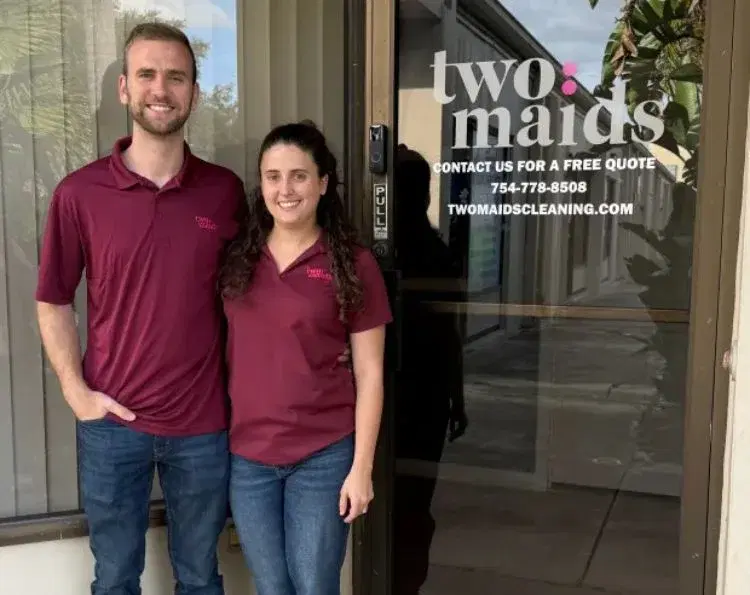
If you're exploring a housekeeping franchise opportunity, it's important to understand how different cleaning business models operate and what kind of support, investment, and growth potential each offers.
Residential cleaning remains a popular franchise category because it serves an ongoing household need. Many customers schedule recurring cleaning services weekly, biweekly, or monthly, creating opportunities for consistent revenue and long-term customer relationships.
According to Grand View Research, the global residential cleaning services industry is expected to grow by a compound annual growth rate (CAGR) of 7.3% from now until 2033, reflecting continued demand for professional home cleaning services.
Whether you're evaluating startup costs, training programs, staffing requirements, or long-term growth potential, understanding the differences between cleaning franchise models can help you identify the opportunity that aligns with your goals.
In this guide, we'll review several types of cleaning franchises and examine why residential cleaning continues to attract entrepreneurs looking for a scalable service-based business.
High-Demand Franchise Cleaning Companies
There are many types of franchise cleaning companies, and finding your specialty can be challenging. To help you make the right choice, Two Maids made a list of some of the best types of cleaning franchises with strong demand.
1. Commercial Cleaning
Commercial cleaning franchises provide cleaning and janitorial services for offices, retail stores, medical facilities, schools, and other commercial properties. Services often include routine cleaning, floor care, restroom sanitation, trash removal, and other facility maintenance tasks.
The commercial cleaning industry serves a large and diverse customer base. The U.S. janitorial services industry is expected to generate more than $112 billion in revenue in 2026, reflecting ongoing demand for professional cleaning services across a wide range of business sectors.
Many commercial cleaning businesses operate through long-term service agreements, which can provide predictable revenue when customer relationships are maintained over time.
However, there are challenges. Franchise owners may need to manage larger service areas, multiple client locations, and staffing schedules that extend beyond traditional business hours. Because many commercial facilities require cleaning after employees leave for the day, evening and overnight work schedules are common throughout the industry.
Commercial cleaning can be a good fit for entrepreneurs who are interested in business-to-business sales and account management. Building relationships with property managers, office administrators, and facility operators often plays an important role in generating and retaining customers.
2. Specialty Cleaning
Specialty cleaning franchises focus on a specific service, customer need, or area of expertise rather than offering general cleaning services. Depending on the franchise concept, services may include eco-friendly cleaning, medical facility sanitation, post-construction cleanup, move-in and move-out cleaning, vacation rental turnover services, or other niche cleaning solutions.
Many specialty cleaning businesses appeal to customers with specific requirements. For example, some homeowners and businesses seek environmentally conscious cleaning methods, while healthcare facilities may require cleaning protocols designed to support strict sanitation standards.
Because specialty cleaning franchises often serve narrower markets, owners may benefit from a clearly defined service offering and a unique value proposition. However, growth opportunities can be influenced by local demand for the specific service and the size of the target customer base.
Entrepreneurs interested in developing expertise within a particular segment of the cleaning industry may find specialty cleaning franchises appealing. As with any franchise opportunity, it's important to evaluate market demand, training requirements, and long-term growth potential before making an investment decision.
3. Carpet Cleaning
Carpet cleaning franchises specialize in deep-cleaning carpets, rugs, upholstery, and other flooring surfaces for residential and commercial customers. Many franchise systems also offer related services such as stain removal, odor treatment, tile and grout cleaning, and upholstery cleaning.
Because carpet cleaning requires specialized equipment and cleaning solutions, franchise owners typically receive training on cleaning techniques, equipment operation, and customer service procedures. The specialized nature of the work can help differentiate carpet cleaning businesses from general cleaning providers.
Demand for carpet cleaning services is often driven by routine maintenance, seasonal cleaning, property management needs, and move-in or move-out projects. Many customers schedule service periodically rather than on a recurring weekly or biweekly basis, making customer acquisition and repeat business important factors for long-term growth.
Carpet cleaning franchises can appeal to entrepreneurs who are interested in a service-based business with a specialized skill set. When evaluating opportunities, prospective franchise owners should consider equipment requirements, local competition, service demand, and the level of training and operational support provided by the franchisor.
4. Window Cleaning
Window cleaning franchises provide residential and commercial window cleaning services, helping customers maintain the appearance of homes, office buildings, storefronts, and other properties. Many franchise systems also offer related services such as gutter cleaning, pressure washing, screen cleaning, and exterior surface cleaning.
According to Fortune Business Insights, the U.S. window cleaning services market in 2025 was valued at more than $150 billion, with a CAGR of 9.66% through 2034.
The business model typically focuses on scheduled maintenance and property upkeep. Homeowners often hire window cleaning services seasonally or a few times per year, while commercial customers may establish recurring service schedules based on their property's needs.
Window cleaning franchises can benefit from relatively straightforward operations and specialized service offerings. However, demand is often tied to seasonal factors, weather conditions, and customer maintenance schedules. Because many customers do not require service on a weekly or monthly basis, franchise owners may spend more time generating new business and maintaining a pipeline of future appointments.
For entrepreneurs interested in exterior property maintenance, window cleaning can offer an attractive service-based business model. When evaluating franchise opportunities, it's important to consider service frequency, customer retention patterns, staffing requirements, and opportunities for repeat business within the local market.
5. Residential Cleaning
Residential cleaning franchises provide housekeeping and home cleaning services for homeowners who want professional help maintaining a clean and healthy living environment. Services may include recurring housekeeping visits, deep cleaning, move-in and move-out cleaning, and other home cleaning solutions.
For many prospective franchise owners, residential cleaning stands out because of the business model itself. According to the U.S. Department of Labor, Americans spend nearly three hours a week on interior cleaning, typically taking time away from family and other non-work activities. Unlike services that customers purchase once or twice per year, many residential cleaning customers schedule service on a recurring basis.
Weekly, biweekly, and monthly cleaning appointments can create consistent customer relationships and a more predictable schedule for business owners.
Residential cleaning also benefits from ongoing consumer demand. As busy professionals, dual-income households, families with children, and older adults continue to outsource household tasks, professional housekeeping services remain an important part of the home services market.
From an operational perspective, residential cleaning franchises often require less equipment and infrastructure than many other service businesses. Owners can focus on building customer relationships, managing team members, and growing their local market presence rather than maintaining large inventories or specialized facilities.
Many franchise systems also provide training, technology, marketing resources, and operational support designed to help franchisees launch and grow their businesses. These tools can help streamline scheduling, customer communication, recruiting, and day-to-day operations while allowing owners to focus on business development and customer service.
For entrepreneurs evaluating a housekeeping franchise opportunity, residential cleaning offers a combination of recurring demand, scalable operations, and ongoing customer relationships that can support long-term business growth.
What Is the Typical Residential Cleaning Franchise Investment?
Startup costs are one of the first considerations when evaluating a housekeeping franchise opportunity. Investment requirements vary by brand, but residential cleaning franchises often require less upfront capital than restaurant, hospitality, or retail franchise concepts because they typically operate without extensive inventory, large facilities, or specialized equipment.
According to the Two Maids 2026 Franchise Disclosure Document (FDD), the estimated total investment to open a franchise ranges from approximately $93,440 to $149,890. This range includes expenses such as the franchise fee, training, equipment, marketing, and other startup costs associated with launching a new location. Two Maids also requires a minimum of $51,000 in liquid capital and offers up to $32,000 in-house financing for qualified candidates.
When evaluating a residential cleaning franchise investment, prospective owners should look beyond the initial startup costs and consider the resources included in the franchise system. Training, technology platforms, marketing support, operational guidance, and recruiting assistance can play an important role in helping a new business gain traction in its local market.
Two Maids provides franchisees with access to established operating systems, marketing support, training programs, and proprietary technology designed to support customer acquisition, scheduling, and day-to-day business management. These resources can help franchise owners focus on growing their business while leveraging systems that have been refined across the brand's network of locations.
For many entrepreneurs, the appeal of a residential cleaning franchise extends beyond the initial investment. The business model is built around recurring customer relationships, ongoing service demand, and opportunities to scale through team growth and customer retention. Those factors can be just as important as startup costs when evaluating the long-term potential of a franchise opportunity.
Why Two Maids Stands Out
Two Maids has used over 20 years of experience to create a business model that utilizes a unique sales and marketing strategy to dominate a local market quickly. Our franchise owners benefit from our commitment to quality, proven systems, supportive leaders, and a close community of fellow franchise owners. We build strong relationships and give back to our communities. Everything we do – from cleaning homes to mentoring each member of our workforce – is designed to empower people and enrich lives. This approach, and our heart to serve, is what truly sets Two Maids apart in the highly fragmented residential cleaning industry.You don’t need experience in the cleaning industry to launch a Two Maids business. Our Two Maids University will give you the insights and knowledge you need to be successful. Training consists of a combination of up to 10 days of on-the-job and classroom sessions, with 3 days of classroom sessions conducted within our Birmingham, AL office, and 5 days of on-the-job training during grand opening. Franchise owners will learn everything they need to know to run a successful business.
Two Maids consistently ranks on Entrepreneur’s Franchise 500® as a Top Low-Cost Franchise under $100,000 and is part of Home Franchise Concepts, a leader in the home services industry.
Is a Housekeeping Franchise Right for You?
Choosing the right franchise opportunity depends on your business goals, investment budget, and preferred operating model. While every cleaning franchise category offers unique advantages, many entrepreneurs are drawn to residential cleaning because of its recurring service model, ongoing customer demand, and opportunities for long-term growth.
A successful housekeeping franchise requires more than cleaning expertise. Owners must be prepared to recruit and manage team members, deliver a consistent customer experience, oversee daily operations, and grow their local presence. For that reason, many prospective franchisees look for franchise systems that provide training, technology, marketing resources, and ongoing support.
Residential cleaning continues to be one of the most established segments of the home services industry, serving homeowners who value convenience, consistency, and professional service. As demand for professional housekeeping services continues to grow, franchise owners have the opportunity to build customer relationships that generate repeat business and support long-term business development.
If you're exploring a housekeeping franchise opportunity, Two Maids offers a proven residential cleaning business model backed by operational support, training programs, marketing resources, and proprietary systems designed to help franchise owners launch and grow their businesses.
Learn more about becoming a Two Maids franchise owner and discover whether a residential cleaning franchise aligns with your entrepreneurial goals.
Ready to Explore the Next Steps?
Wherever you are in the discovery process, our Franchise Development Team is here to help.
Provide your contact information below and we'll be in touch via phone, email or text to help you learn how investing in a Two Maids franchise can change your life.